
Jewellery for Poker Tournaments: Style, Psychology and Subtle Status Signals
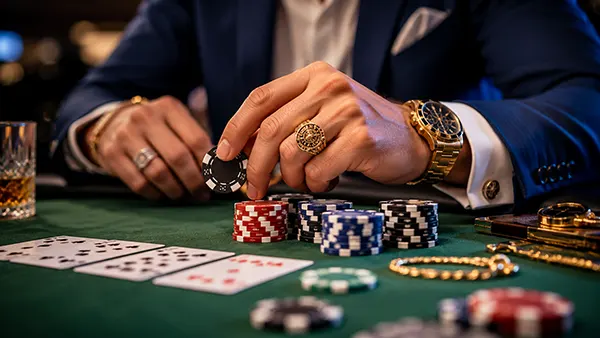
Poker tournaments have long been associated with personal image, table presence and non-verbal communication. While clothing choices often attract the most attention, jewellery plays a quieter but equally important role. A carefully selected watch, ring, bracelet or cufflink can influence first impressions, reinforce personal confidence and communicate social status without a single word being spoken. In modern live poker events held across Europe, North America and Asia in 2026, jewellery has become part of the broader visual language that many players consciously use when building their public image at the table.
The Role of Jewellery in the Modern Poker Environment
Live poker tournaments place participants in highly social environments where observation is constant. Players study betting patterns, body language and behavioural habits in search of useful information. In this setting, appearance becomes another element of perception. Jewellery contributes to how a participant is viewed before the first hand is even dealt.
Unlike extravagant fashion accessories designed to attract attention, tournament jewellery is often selected with restraint. Many successful players favour understated pieces crafted from gold, platinum or titanium. Such items communicate sophistication without appearing excessive, helping maintain a professional image throughout lengthy tournament sessions.
The popularity of premium jewellery in poker has also been influenced by the growth of televised events and social media. Professional players increasingly understand that tournament appearances contribute to personal branding. As a result, jewellery is frequently chosen not only for personal enjoyment but also for how it complements a player’s public identity.
Why Small Details Often Leave the Strongest Impression
Human psychology tends to process visual details rapidly. A well-crafted ring or luxury watch may be noticed subconsciously, influencing perceptions of confidence, success and self-discipline. These impressions can emerge before any meaningful interaction takes place.
Subtle jewellery often appears more authentic than highly visible status symbols. A discreet platinum wedding band or a minimalist bracelet may suggest financial security without appearing deliberately attention-seeking. This balance is particularly valuable in competitive environments where players constantly assess one another.
Another advantage of understated accessories is versatility. They remain appropriate across different tournament settings, from local card rooms to prestigious international events. Their impact comes from quality, craftsmanship and consistency rather than visual dominance.
Psychological Effects of Jewellery at the Poker Table
Psychology plays a central role in poker. Players seek emotional control, confidence and concentration while simultaneously attempting to interpret opponents. Jewellery can contribute to this mental framework by serving as a personal anchor during long sessions.
Many tournament participants develop routines involving specific accessories. A favourite ring, necklace or watch may become associated with positive experiences, creating familiarity and comfort in stressful situations. Such objects often function similarly to personal rituals used by athletes before competition.
Confidence generated by appearance should not be underestimated. When individuals feel comfortable with their image, they often display more stable behaviour and improved decision-making. While jewellery cannot improve poker strategy, it can support the mindset required for disciplined play.
How Opponents Interpret Luxury Accessories
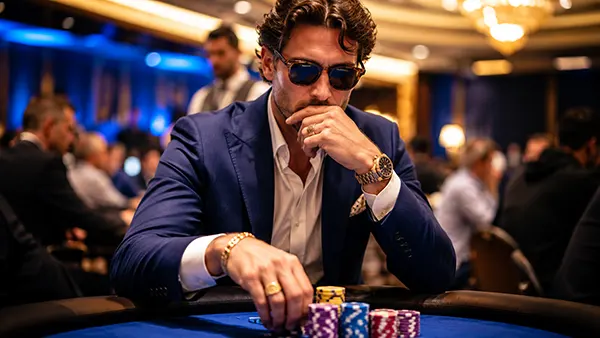
Players naturally form assumptions based on visible cues. A sophisticated watch or custom-made ring may lead opponents to believe that an individual is financially successful, highly experienced or accustomed to high-stakes environments. Whether these assumptions are accurate is often irrelevant; their existence alone can influence interactions.
Some competitors intentionally use jewellery as part of a broader table image strategy. A luxury accessory can reinforce perceptions of confidence and composure, potentially affecting how opponents react to bets and raises. In poker, perception frequently shapes decision-making as much as objective information.
However, excessive displays of wealth can sometimes produce negative effects. Overly conspicuous jewellery may encourage opponents to challenge a player more aggressively or create unnecessary attention. Experienced tournament participants often prefer balance over extravagance.
Status Symbols and Personal Style in 2026 Tournament Culture
The relationship between jewellery and status has evolved significantly in recent years. By 2026, many poker players place greater value on craftsmanship, exclusivity and personal meaning than on obvious branding. Custom-made pieces, independent designers and heritage jewellery have become increasingly popular choices.
Materials also reflect changing preferences. Platinum, brushed gold, titanium and ethically sourced gemstones are frequently selected for their durability and refined appearance. Rather than relying on oversized designs, players often favour accessories that reveal quality through close inspection.
Personal storytelling has become another important factor. Jewellery associated with family history, major tournament victories or significant life achievements often carries more meaning than commercially recognisable luxury products. Such pieces allow players to express individuality while maintaining elegance.
Choosing Appropriate Jewellery for Competitive Poker Events
Comfort should always be a primary consideration. Tournament sessions can last many hours, making lightweight and well-fitted jewellery a practical choice. Accessories that distract attention or require constant adjustment may become inconvenient during play.
Durability is equally important. Poker environments involve frequent movement of chips, cards and personal belongings. High-quality metals and secure settings help minimise the risk of damage while ensuring a polished appearance throughout an event.
Ultimately, the most effective tournament jewellery supports rather than dominates personal style. Pieces that reflect confidence, authenticity and attention to detail tend to leave the strongest impression. In modern poker culture, true status is rarely communicated through excess; it is more often expressed through thoughtful choices that combine craftsmanship, personality and discretion.