
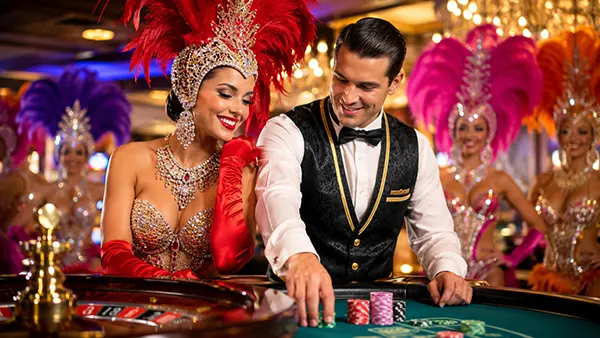
Casino Croupier and Showgirl Jewellery: From Las Vegas Stage Costumes to Luxury Design
Jewellery has long been part of the visual identity of casinos, particularly in establishments influenced by the glamour of Las Vegas entertainment culture. From crystal-covered earrings worn by showgirls to custom cufflinks used by professional croupiers, decorative accessories became symbols of status, elegance and theatrical presentation. In 2026, casino jewellery combines practical requirements with luxury aesthetics, drawing inspiration from fashion houses, stage productions and hospitality branding. The modern approach no longer focuses only on visual impact. Designers now consider comfort, lighting conditions, security regulations and brand consistency when creating jewellery collections for casino staff and performers.
The Origins of Casino Jewellery in Las Vegas Entertainment
The connection between casinos and decorative jewellery became especially visible during the rise of Las Vegas entertainment in the 1950s and 1960s. Large casino resorts invested heavily in stage productions featuring dancers, singers and performers dressed in elaborate costumes covered with sequins, gemstones and metallic accessories. Jewellery was not simply decoration. It reflected the wealth and exclusivity casinos wanted to project to visitors arriving from across the United States and Europe.
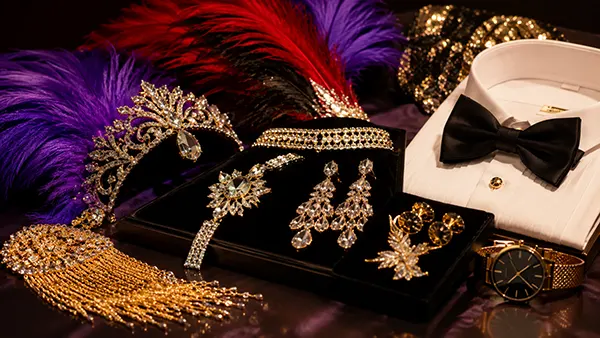
Showgirls working in famous venues such as the Stardust, Flamingo and Bally’s often wore oversized earrings, crystal chokers and feathered headpieces decorated with rhinestones. These accessories were designed to reflect stage lighting and remain visible from long distances inside theatre halls. Costume workshops collaborated with jewellery makers to produce lightweight pieces that looked luxurious while remaining comfortable enough for performers completing several shows every night.
Casino croupiers also developed a recognisable style during this period. Dealers working in high-limit rooms often wore elegant watches, tie clips and subtle cufflinks designed to support the sophisticated atmosphere of the gaming floor. Jewellery for casino employees became associated with professionalism and visual discipline rather than pure extravagance. Many establishments introduced internal dress standards that regulated which accessories staff could wear while interacting with guests.
How Stage Lighting Influenced Jewellery Design
Lighting technology played an important role in shaping casino jewellery trends. Traditional theatre spotlights generated strong reflections, meaning jewellery had to be carefully designed to avoid distracting glare. Costume designers preferred crystals with softer reflective properties and metals that maintained their appearance under intense heat from stage equipment.
During the 1980s and 1990s, casinos introduced LED systems and digital stage effects, changing how jewellery appeared during performances. Designers adapted by incorporating mirrored surfaces, coloured stones and layered textures capable of reacting dynamically to changing light patterns. Accessories became larger and more visually detailed because modern lighting allowed audiences to notice smaller decorative elements from greater distances.
In 2026, advanced lighting simulations are commonly used before casino costume collections enter production. Designers test jewellery inside digital 3D stage environments to evaluate reflections, visibility and colour behaviour. Luxury casino resorts in Las Vegas, Macau and Singapore increasingly rely on this process to maintain visual consistency between live performances, advertising campaigns and social media presentations.
Luxury Materials and Modern Craftsmanship in Casino Accessories
Contemporary casino jewellery uses far more sophisticated materials than earlier costume collections. While rhinestones and plated metals remain common for stage productions, premium casino resorts frequently commission accessories made from sterling silver, gold alloys, Swarovski crystals and laboratory-grown gemstones. Luxury hospitality brands now view jewellery as part of their overall interior and visual branding strategy.
Many casino uniforms are developed alongside jewellery collections to ensure consistency between fabrics, colours and decorative details. Designers working for high-end establishments often collaborate with fashion consultants from Paris, Milan and London. Their work includes custom earrings for reception staff, decorative brooches for VIP hosts and themed accessories for entertainment performers during seasonal events or international tournaments.
Sustainability has also become an important factor in jewellery production by 2026. Luxury casino groups increasingly avoid materials linked to unethical mining practices. Recycled metals, synthetic diamonds and environmentally responsible suppliers are now widely promoted in hospitality marketing materials. Some resorts even highlight sustainability certifications as part of their premium guest experience.
The Role of Jewellery in Casino Branding
Jewellery has evolved into a subtle but effective branding tool for casinos. Accessories often incorporate signature colours, logos or visual themes connected to a resort’s identity. A Mediterranean-themed casino may use turquoise stones and shell-inspired designs, while an Art Deco establishment could favour geometric metallic accessories inspired by 1920s architecture.
VIP casinos and private gaming lounges frequently commission limited jewellery collections for staff members working with high-net-worth guests. These accessories communicate exclusivity without relying on excessive decoration. Fine watches, minimalistic diamond pins and custom bracelets are commonly used in luxury gaming environments where understated elegance is considered more appropriate than theatrical glamour.
Special events also influence jewellery design choices. International poker tournaments, celebrity concerts and anniversary celebrations often involve temporary costume collections produced specifically for promotional campaigns. Some casino resorts collaborate with jewellery brands to release exclusive accessories inspired by famous gaming destinations, creating collectible items aimed at tourists and luxury consumers.
Casino Jewellery Trends and Cultural Influence in 2026
Casino jewellery trends in 2026 reflect broader developments within fashion, hospitality and entertainment industries. Minimalism remains popular among professional dealers and concierge teams, while stage performers continue using bold decorative accessories influenced by luxury runway collections. This contrast allows casinos to maintain both professionalism and spectacle within different areas of the same establishment.
Technology now affects jewellery production more directly than ever before. 3D printing allows designers to create lightweight custom pieces with intricate structures that were difficult to manufacture using traditional methods. Casinos organising themed performances can rapidly produce accessories matching specific historical periods, cinematic aesthetics or cultural inspirations without requiring months of manual craftsmanship.
Global casino destinations increasingly influence one another stylistically. Las Vegas continues shaping entertainment aesthetics, but modern jewellery trends also draw inspiration from Macau’s luxury hospitality culture, Monaco’s refined elegance and Singapore’s contemporary architectural minimalism. As a result, casino accessories now combine theatrical design with international luxury fashion standards.
The Future of Jewellery in Casino Entertainment
Future developments are likely to focus on smart materials and wearable technology. Designers are experimenting with jewellery containing integrated LED elements, programmable colour effects and lightweight conductive materials capable of interacting with stage systems. These innovations may become especially common in immersive casino shows where visual synchronisation between performers and digital environments is essential.
Security considerations are also influencing modern jewellery design. Casino staff accessories must meet stricter workplace safety and surveillance requirements than in previous decades. Lightweight construction, hidden fastenings and non-obstructive designs are increasingly prioritised to reduce operational risks while maintaining an elegant appearance.
Despite technological changes, the cultural role of casino jewellery remains connected to visual storytelling and luxury presentation. Whether worn by a croupier in a private gaming salon or a performer on a Las Vegas stage, these accessories continue reflecting the relationship between entertainment, fashion and high-end hospitality. Their evolution demonstrates how casinos adapt aesthetic traditions to modern expectations while preserving the glamour historically associated with the industry.