
Gambling and Temptation in Baroque Art: How Seventeenth-Century Painters Portrayed Risk
The seventeenth century became a turning point for European visual culture, and gambling emerged as one of the recurring subjects through which painters explored moral tension, human desire, and the fragile boundaries of social order. Artists working within the Baroque style turned to scenes of wagers, dice, cards and cheating not as decorative motifs but as a means of examining the emotional intensity and ethical dilemmas surrounding risk. These works reveal how gambling shaped daily life, influenced interpersonal relations and reflected wider anxieties about fortune, morality and personal responsibility within early modern society.
Baroque Interpretations of Chance and Human Behaviour
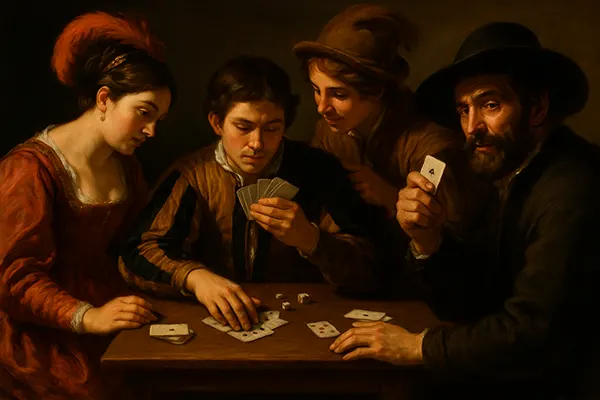
Throughout Europe, painters embraced gambling imagery as a tool to reflect the complexity of human motivations. The Baroque preference for dramatic contrast and psychological depth allowed artists to highlight the tension between impulse and restraint, as well as the consequences people faced when their pursuit of profit outweighed caution. These scenes often depicted ordinary individuals rather than mythological figures, bringing the moral questions of risk directly into the viewer’s world.
One of the most influential artists in this field was Georges de La Tour, whose works frequently presented candlelit card players absorbed in tactical thinking, subtle deception or moments of quiet anticipation. His composition “The Cheat with the Ace of Diamonds” illustrates how carefully orchestrated gestures could alter the course of a game, and how temptation thrived in dimly lit, intimate environments. The painting captures not only the mechanics of cheating but also the silent agreements, suspicions and expectations shared among players.
Across the Italian states, Caravaggio and his followers expanded the exploration of risk through naturalistic expression. Caravaggio’s “The Cardsharps” introduced an uncompromising perspective on manipulation and naivety, portraying young men caught between excitement and exploitation. This work became a template for later artists who sought to combine realism with moral messaging, using gambling to illustrate the unpredictable nature of human interaction.
Symbolism and Hidden Commentary in Gambling Scenes
Many Baroque painters relied on symbolic objects to enrich their compositions and communicate deeper meanings. Dice were frequently associated with unstable fate, while playing cards served as metaphors for personal choices, social rank or hidden intentions. These elements allowed viewers to interpret a scene beyond its immediate narrative, recognising moral warnings subtly embedded within everyday activities.
In Dutch and Flemish art, gambling scenes often appeared in taverns, reinforcing associations with disorderly conduct and the erosion of personal discipline. Artists such as Jan Steen employed a humorous yet critical tone, depicting characters distracted by wagers, drink or flirtation. Despite the lively atmosphere, the underlying message pointed to the dangers of excessive indulgence and the fragility of reputation during the period.
Spanish painters approached the subject with a more restrained and introspective mood. The works of Murillo and Ribalta shifted attention from chaotic play to contemplative figures whose expressions revealed regret, vigilance or self-reflection. Their interpretation highlighted gambling as a moral crossroads where individuals confronted internal conflict rather than external spectacle.
Social Realities Reflected Through Baroque Gambling Imagery
Beyond moral allegories, gambling paintings documented the genuine social environments and challenges of seventeenth-century Europe. The growth of urban centres and increased mobility of the population created new opportunities for both entertainment and exploitation. Inns, roadside taverns and temporary gatherings became places where people of different classes interacted, and these settings shaped the artistic representation of risk.
Many artworks suggest that gambling functioned as a social equaliser, albeit a dangerous one. Soldiers, merchants, students and labourers participated in games where skill and deception could override status. Painters captured these encounters with striking authenticity, using close observation to portray clothing, gestures and spatial arrangement. These details give modern viewers a unique window into the everyday rhythm of early modern life.
At the same time, numerous paintings demonstrate the consequences of uncontrolled desire for quick gain. The Baroque fascination with emotional extremes encouraged artists to show the shift from excitement to disappointment, from confidence to loss. These psychological transitions became a powerful expressive tool, strengthening the narrative weight of gambling scenes and making them relevant far beyond their historical period.
Moral Frameworks and Public Perception
The seventeenth century saw growing interest in regulating public behaviour, and gambling became a subject of debate among religious authorities and civic leaders. Artists responded to these discussions by shaping compositions that balanced realism with an ethical undertone. Their images did not simply condemn; they invited viewers to examine their own values and recognise how small decisions could lead to broader consequences.
In many regions, gambling was tolerated but monitored, and this ambivalence is visible in the artwork of the time. Scenes of moderate play, presented without chaos or conflict, reflected the social acceptance of entertainment within limits. Conversely, depictions of cheating, aggression or neglect served as cautionary examples that aligned with sermons and written treatises warning against excessive desire for material gain.
These paintings thus fulfilled a dual function: they preserved everyday cultural practices while also shaping public attitudes. Through subtle narrative choices, artists communicated the importance of personal responsibility and the need for awareness in situations where chance and temptation intersected.
Techniques and Visual Strategies Used by Baroque Artists
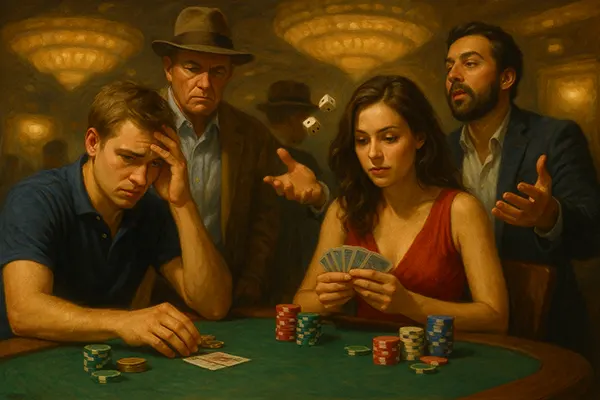
Baroque painters developed specific compositional strategies to intensify the atmosphere of gambling scenes. Strong light–shadow contrast highlighted emotional tension, guiding the viewer’s eye toward crucial gestures such as concealed cards, exchanged glances or the moment a wager was placed. This visual emphasis built suspense and encouraged the audience to consider each character’s intentions.
Colour palettes also played an essential role. Warm tones created intimacy, while darker hues conveyed secrecy, danger or moral uncertainty. Artists balanced these elements to evoke psychological depth, ensuring that the depiction of risk felt tangible and immediate. The variety of techniques used across Europe demonstrates how widely the theme resonated within the Baroque movement.
Careful attention to facial expression allowed painters to explore layered emotional states. From cautious optimism to concealed frustration, these subtle details recorded not only the outcomes of games but also the internal dynamics between players. This human-centred approach ensured that the subject of gambling remained meaningful, reflecting broader questions about ethics, vulnerability and choice.
The Enduring Cultural Value of Baroque Gambling Art
Today, works depicting seventeenth-century gambling continue to attract scholarly attention due to their complex interplay of realism, symbolism and social observation. These paintings reveal how early modern society balanced pleasure with moral expectations, and how artists used familiar activities to address profound questions about character and destiny. Their relevance lies not in the mechanics of the games themselves, but in the human stories captured within each scene.
Museums and researchers emphasise the significance of these artworks as historical documents that contribute to our understanding of daily life. The accuracy with which artists portrayed furniture, clothing and behaviour provides valuable material for cultural historians and specialists studying the evolution of social customs. Every canvas acts as a record of shared experiences, interpreted through the artist’s personal perspective.
Although the Baroque era has passed, the subject of temptation and risk remains universally recognisable. The psychological insights embedded in these compositions continue to resonate, reminding viewers that the tension between desire and discipline is a constant element of human behaviour.